
Employee Retention Strategies in Manufacturing by Role

Table of Contents
Most retention advice treats manufacturing workers as a single group. They’re not. A press operator, a CNC machinist, and a process engineer stay for very different reasons, and they leave for different reasons too. If your retention strategy doesn’t account for those differences, you’re solving the wrong problem.
With Deloitte projecting that the manufacturing sector will need 3.8 million workers between 2024 and 2033 (and roughly half those roles may go unfilled), keeping the people you already have isn’t optional. Below, we break down employee retention strategies in manufacturing by the worker types that actually make up your floor, your shop, and your engineering department.
Why Manufacturing Turnover Is So High and So Costly
Manufacturing turnover remains a persistent challenge. A 2024 study by Deloitte and The Manufacturing Institute found that 65% of manufacturers cite attracting and retaining talent as their primary business challenge. The cost of replacing a single worker is significant: Gallup estimates replacement costs range from one-half to two times an employee’s annual salary, with entry-level roles on the lower end and highly specialized or senior positions at the upper end.
But the dollar figure only tells part of the story. When experienced workers leave, they take tribal knowledge with them: the unwritten procedures, the machine quirks only they understand, the relationships with teammates that keep a line running smoothly. The remaining crew absorbs overtime, quality can slip, morale drops, and more departures follow.
For a deeper look at current industry data, see our manufacturing workforce trends report.
The core issue is that most manufacturers apply the same retention playbook to everyone on the payroll. A one-size-fits-all approach misses the mark because an hourly assembler and a controls engineer are motivated by fundamentally different things.
Retention Starts Before Day One
The strongest predictor of early-tenure turnover is poor job fit. When a new hire’s expectations don’t match reality, the clock starts ticking toward their departure almost immediately.
This is where retention and recruiting intersect:
- Realistic job previews. Show candidates the actual work environment, including noise levels, physical demands, shift pace, and conditions. A brief facility walkthrough or honest video reduces surprises that drive 90-day attrition.
- Accurate job descriptions. List true physical requirements, shift expectations, and realistic growth paths rather than aspirational marketing language. Learn how to write an accurate manufacturing job description that sets the right expectations.
- Pre-hire assessments. Skills tests and structured culture-fit interviews help verify that a candidate can do the work and will thrive in your specific environment.
- Structured onboarding. Generic orientation sessions waste everyone’s time. Onboarding should be tailored to the role: a skilled welder needs different first-week support than a quality technician.
Working with a staffing partner that specializes in manufacturing can reduce mis-hires because specialized recruiters screen for the job-specific and cultural factors that determine whether a placement sticks.

Retaining Hourly Production Workers
Hourly workers are often the highest-turnover group in manufacturing, and the reasons are usually straightforward.
What keeps them: Schedule predictability, fair treatment by supervisors, competitive base pay, and physical safety.
Specific tactics that work:
- Consistent shift scheduling. Publish schedules as far in advance as possible. Transparent overtime policies reduce resentment, especially for workers managing childcare or second jobs.
- Supervisor training. The quality of the immediate supervisor is the single most impactful retention lever for hourly workers, and it’s the one most manufacturers underinvest in. Research from the Manufacturing Institute and the American Psychological Association found that workers who feel treated unfairly are 10 times more likely to look for a new job within the year. Frontline leaders who communicate respectfully, distribute overtime fairly, and recognize good work make a measurable difference.
- Safety investment. Outdated PPE, ignored hazards, and shortcuts signal that workers are expendable. Investing in safety infrastructure tells them the opposite.
- Stay interviews. Instead of waiting for exit interviews to learn why people leave, ask current employees why they stay. A five-minute quarterly conversation with a direct supervisor can surface small, fixable problems before they become resignations.
Don’t overlook multi-shift dynamics. Night and rotating shift workers face distinct morale challenges, from feeling invisible to leadership to missing company events that only happen during day shifts. Small gestures like shift-specific recognition or leadership rounding on off-hours go a long way.
Retaining Skilled Trades Workers
Electricians, machinists, welders, and maintenance technicians are among the hardest manufacturing roles to fill. Losing one means losing years of accumulated expertise.
What keeps them: Mastery and craft pride, certification support, quality tools and equipment, and pay progression tied to skill advancement.
Specific tactics that work:
- Apprenticeship and mentorship programs. Pair junior trades workers with experienced mentors. This builds loyalty for both parties: the apprentice gets career development, and the mentor gets recognition for their expertise. Even a 50-person shop can formalize a simple mentorship structure.
- Clear advancement pathways. Map out journeyman-to-lead progressions and communicate them during hiring and onboarding. If a machinist can’t see where they’ll be in three years, a competitor offering a clear path will recruit them.
- Invest in quality tooling and equipment. Skilled trades workers take pride in their craft. Asking them to produce quality work with worn-out equipment is demoralizing and signals you don’t value what they do.
- Address automation anxiety directly. Many trades workers worry that robotics and automation will make their roles obsolete. Communicate that automation augments skilled trades rather than replaces them. Upskilling programs that teach workers to operate and maintain new technology build loyalty because you’re investing in their future relevance.
Skilled trades workers talk within their local community. Your reputation as an employer of choice (or as a place to avoid) travels fast. Retention and recruitment become a reinforcing cycle, good or bad.
Retaining Engineers and Technical Staff
Engineers and technical professionals have different priorities than floor workers, and they have more leverage in the job market.
What keeps them: Challenging projects, professional development, schedule flexibility, and involvement in decision-making.
Specific tactics that work:
- Flexible scheduling. A 9/80 work schedule or hybrid arrangements (where feasible) can be a deciding factor for engineers weighing offers.
- Continued education budgets. Cover conference attendance, certifications, and professional development courses. These investments are relatively modest compared to the cost of replacing a senior engineer.
- Internal mobility. Lateral moves into new product lines, departments, or project teams keep technical staff engaged without requiring a promotion. Engineers who feel stagnant leave; engineers working on interesting problems stay.
- Meaningful recognition of innovation. When an engineer’s design improvement saves production time or reduces scrap, acknowledge it publicly and specifically. Generic “Employee of the Month” programs don’t resonate with this group.
Younger engineers (Gen Z and Millennials) also expect transparency about company direction, clear career trajectory, and a sense of purpose in their work. If your leadership team operates behind closed doors, technical talent will notice.
For more depth on this topic, read our guide to retaining top engineering talent.
The Strategies That Work Across All Roles
While each worker segment has unique needs, some employee retention strategies in manufacturing apply universally:
- Competitive compensation benchmarking. Review pay rates at least annually against market data. Don’t wait for exit interviews to discover you’re paying 15% below the local average. Tools like salary surveys from industry associations and the Bureau of Labor Statistics Occupational Employment Statistics can help even small manufacturers stay current.
- Benefits that matter. Healthcare quality, retirement match, PTO policies, and EAP/mental health access consistently rank among the top reasons manufacturing workers stay or leave.
- Frontline leader development. We mentioned this under hourly workers, but it deserves emphasis: supervisor quality is the retention lever that crosses every role type. A great supervisor retains people; a poor one drives them out regardless of pay or benefits.
- Frequent, specific recognition. “Good job” doesn’t cut it. “Your setup change on Line 3 saved us two hours of downtime this week” does.
- Two-way communication. Regular check-ins, transparent updates on company direction, and genuine feedback mechanisms show workers at every level that their input matters.
How to Measure Whether Your Retention Strategies Are Working
Retention isn’t a program you launch and forget. You need metrics to know what’s working.
Track these numbers:
- Overall turnover rate compared to the industry average (roughly 31% annually based on BLS separation data)
- 90-day turnover rate, which isolates hiring and onboarding problems from longer-term retention issues
- Voluntary vs. involuntary turnover, because they require different solutions
- Turnover by department, shift, and role type to pinpoint where the problem actually lives
Benchmark your numbers against industry sources and review them quarterly. Stay interview data serves as a leading indicator: if employees are telling you about problems, you have a window to fix them before those problems show up in your turnover numbers.
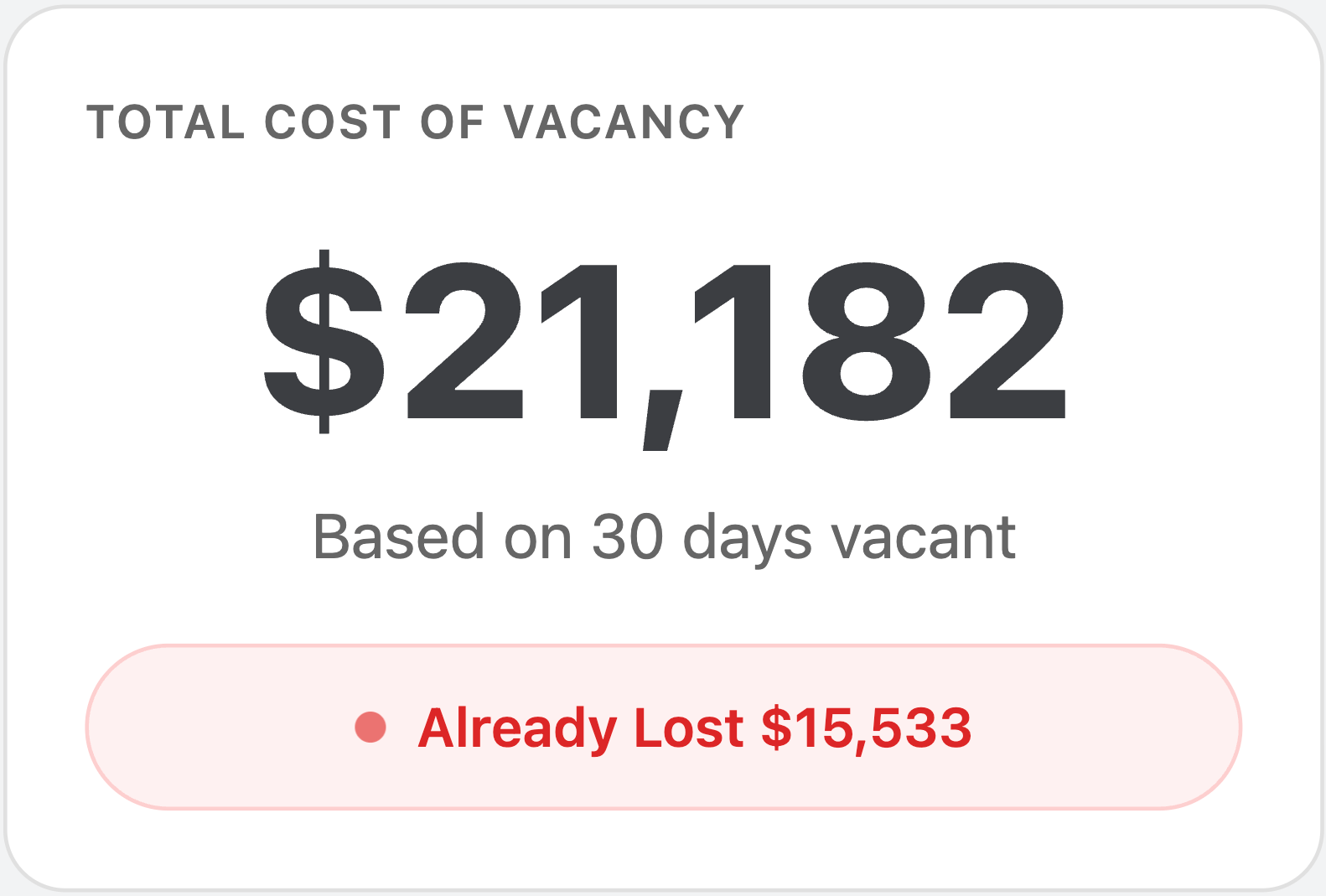
Finally, connect the dots financially. Calculate what each open role costs in lost productivity, overtime for remaining staff, recruiting fees, and training time for the replacement. When you can show leadership the dollar cost of turnover versus the dollar cost of a retention initiative, budget conversations get much easier.
If you’re not sure where to start with that calculation, this tool can help:
Build a Retention Strategy That Matches Your Workforce
The manufacturers who hold onto their best people aren’t the ones with the flashiest perks. They’re the ones who understand that a press operator, a journeyman electrician, and a design engineer each need something different to feel valued, challenged, and secure.
Start by segmenting your turnover data by role type. Identify which group is leaving fastest and why. Then apply the targeted employee retention strategies in manufacturing that match their actual motivations.
Retention also starts earlier than most companies realize. Every hiring decision is a retention decision. Getting the right person in the right role, with the right expectations set from day one, is the most effective retention strategy you’ll ever implement.

The Amtec Team
Amtec's editorial team shares hiring strategies, career advice, and workforce insights drawn from 65+ years of staffing experience across aerospace, manufacturing, engineering, and construction.

Our Services
Industries We Serve
Related Posts
View all posts-
Employers
The State of U.S. Manufacturing Wages (2026 Benchmark Report)
U.S. manufacturing wage data compiled from BLS OEWS, with median pay by occupation, geographic variation, and 2026 trends.
-
EmployersCareer Seekers
The State of the U.S. Semiconductor Manufacturing Workforce (2026 Benchmark Report)
U.S. semiconductor manufacturing workforce data from BLS, SIA, and Deloitte. Employment, pay, skills gap, and CHIPS Act insights for 2026.
-
EmployersCareer Seekers
The State of the U.S. Manufacturing Workforce (2025–2026 Benchmark Report)
U.S. manufacturing workforce statistics compiled from BLS, NAM, and Deloitte, with employment and labor trend insights for 2025–2026.