
Firing an Employee in California: A Step-by-Step Guide

Firing an employee in California requires more than a tough conversation. Between immediate final paycheck rules, mandatory notices, and the growing risk of Private Attorneys General Act (PAGA) claims, a single misstep during the termination process can cost your company thousands. This guide walks you through exactly what to do before, during, and after the termination meeting so you can handle it with confidence and compliance.
California Is an At-Will State, But That Doesn’t Mean Anything Goes
California is an at-will employment state, meaning employers can terminate an employee at any time, for any lawful reason, without advance notice. But at-will protects your right to terminate. It does not protect how you terminate.
Key exceptions limit at-will employment:
- Discrimination: You cannot fire someone based on a protected characteristic under California’s Fair Employment and Housing Act (FEHA), including race, gender, age, disability, sexual orientation, or religion. Employees who believe they have been discriminated against can file complaints through the California Civil Rights Department, the state agency responsible for enforcing FEHA.
- Retaliation: Terminating someone for filing a complaint, reporting safety violations, or exercising a legal right (like taking FMLA/CFRA leave) is illegal.
- Public policy violations: Firing someone for refusing to break the law or for performing jury duty is prohibited.
- Implied contracts: If your employee handbook, verbal promises, or conduct created an implied contract, at-will protections may not apply.
The real risk for most employers isn’t whether they can fire someone. It’s whether they follow the right process when they do.
Before the Termination Meeting: What You Need to Do First
Preparation is your strongest legal defense. Before scheduling the meeting, take these steps:
- Review the personnel file. Confirm you have documented warnings, performance improvement plans (PIPs), or performance reviews that support the decision. Consistent treatment of similarly situated employees is critical.
- Check the timing. Firing someone shortly after they filed a complaint, returned from medical leave, or disclosed a pregnancy raises immediate retaliation flags. If the timing looks suspicious, make sure your documentation clearly supports a non-retaliatory reason.
- Determine if the WARN Act applies. If you’re conducting a layoff rather than an individual termination, California’s WARN Act (more on this below) may require 60 days of advance notice.
- Prepare all paperwork. Every document should be ready before the employee walks into the room. You should also ensure final paycheck calculations reflect current California wage and hour compliance requirements, including any applicable local minimum wage rates.
- Decide on severance. If you plan to offer a separation agreement, understand that employees age 40 and older must receive 21 days to review the agreement and 7 days to revoke it under the federal Older Workers Benefit Protection Act (OWBPA).
- Loop in HR or legal counsel for elevated-risk situations: recent complaints, employees in a protected class, or anyone with long tenure.
The Day-of Termination Checklist
This is the section that separates a smooth termination from an expensive one. Have every item below ready before the meeting begins.
Final Paycheck
Under California Labor Code §201, an employee who is fired must receive their final paycheck immediately at the time of termination. This is not optional, and there is no grace period.
The final paycheck must include:
- All wages earned through the last day of work
- Any accrued, unused vacation or PTO (California law treats PTO as earned wages)
- All applicable overtime, commissions, or bonuses owed
If you fail to provide the final paycheck on time, Labor Code §203 imposes waiting time penalties of up to 30 days of the employee’s daily wage. On a $70,000 salary, that penalty alone can exceed $5,700.
Required Notices and Pamphlets
California law requires you to provide the following documents at termination:
- EDD “For Your Benefit” pamphlet (DE 2320): Required for all terminated employees; explains unemployment insurance benefits.
- COBRA or Cal-COBRA notice: Informs the employee of their right to continue health insurance coverage for up to 18 months.
- Paid Family Leave (PFL) pamphlet: Provides information on California’s PFL program.
- State Disability Insurance (SDI) pamphlet: Covers disability insurance benefits.
- Notice to Employee as to Change in Relationship: Required under certain local rules to formally document the change in employment status.
Missing even one of these can create both legal exposure and practical problems (for example, delayed unemployment benefits that the employee blames on you).
Optional but Recommended Documents
- Separation agreement: If you’re offering severance, put it in writing. Remember the OWBPA rules for employees 40 and older.
- Property and equipment return form: Document the return of laptops, badges, keys, and company phones.
- Non-disclosure reminder: You can remind employees of existing confidentiality obligations. However, do not include a non-compete clause. Non-competes are unenforceable in California, and including one can potentially invalidate your entire separation agreement.
How to Conduct the Termination Meeting
The termination conversation is where most employers feel the least prepared, yet it’s the part of the process that shapes the employee’s experience and, often, whether they pursue legal action.
Who should be present: The direct manager and an HR representative or witness. Never conduct a termination meeting alone.
Where and when: Choose a private room. Many HR professionals recommend avoiding late Friday afternoons, which can leave the employee without access to support resources over the weekend. Mid-week, early in the day, gives them time to process and take next steps.
Keep it brief. A termination meeting should last 10 to 15 minutes. This is not a negotiation or a performance review.
What to say:
- State the decision clearly and directly: “We’ve made the decision to end your employment, effective today.”
- Provide a brief, factual reason. You do not need to give a lengthy explanation.
- Confirm that the decision is final.
What not to say:
- Don’t apologize excessively. It can be used to imply the decision was unjust.
- Don’t make promises about references, rehire eligibility, or unemployment benefits.
- Don’t engage in a debate about the merits of the decision.
Handle emotions with care. Some employees will be upset. Some will be angry. Allow them a moment to collect themselves. Have tissues and water available. Treat the person with dignity, even if the termination is for cause. This is someone’s livelihood, and how you handle this moment reflects your company’s values.
At the end of the meeting, hand over all required documents, collect company property, and confirm that IT will revoke system access that same day.
After the Termination: Your Obligations Don’t End at the Meeting
Several important steps follow the meeting itself:
- Unemployment insurance: The employee will almost certainly file for unemployment. Respond promptly and accurately to any EDD notices. Inaccurate responses can result in penalties or higher UI tax rates.
- Reference policy: Establish and follow a consistent policy. Many California employers provide only dates of employment and job title to avoid defamation claims.
- System access: Revoke email, software licenses, building access, and VPN credentials on the day of termination. Delayed access revocation is a security risk.
- COBRA administration: Verify that your benefits administrator sends the formal COBRA or Cal-COBRA notice within the required timeframe.
- Document everything: Retain the complete termination file, including the personnel record, documentation of the meeting, and signed receipts for documents provided. California’s statute of limitations for many employment claims runs three years or longer, so keep records accordingly.
The Mistakes That Cost California Employers the Most
Even well-intentioned employers make errors that carry significant financial consequences:
- Late final paycheck. Waiting time penalties under Labor Code §203 accumulate daily, and a late paycheck also opens the door to PAGA exposure from termination missteps. Under California’s PAGA reform, the stakes remain high for employers who don’t follow wage payment rules.
- Suspicious timing. Firing someone shortly after a complaint, a leave request, or a pregnancy disclosure without airtight documentation is one of the strongest patterns plaintiffs’ attorneys look for.
- Skipping required pamphlets. Failure to provide EDD and benefits notices creates legal exposure and practical headaches.
- Including non-compete clauses. These are unenforceable in California and can undermine your entire separation agreement.
- Ignoring the WARN Act. California’s WARN Act (Labor Code §1400) requires 60 days of advance notice for employers with 75 or more employees who are conducting mass layoffs, plant closures, or relocations. This threshold is lower than the federal standard of 100 employees. The penalty for non-compliance is back pay and benefits for each day of the violation.
- Inconsistent discipline. Treating similarly situated employees differently is one of the strongest evidence patterns in discrimination claims. If you gave one employee three warnings but fired another for the same issue after one warning, you have a problem.
What About Backfilling the Role After a Termination?
A termination creates an immediate vacancy, and how you handle that vacancy matters almost as much as how you handled the termination itself. Rushing to fill the role without a clear job description or a structured hiring process often leads to another poor fit, restarting the cycle.
This is where having a workforce planning strategy already in place pays off. A staffing partner can help you quickly identify qualified candidates without disrupting your remaining team or pressuring you into a hasty decision. Amtec works with California employers every day to fill critical roles created by turnover, and we understand that the goal isn’t just speed; it’s finding the right person.
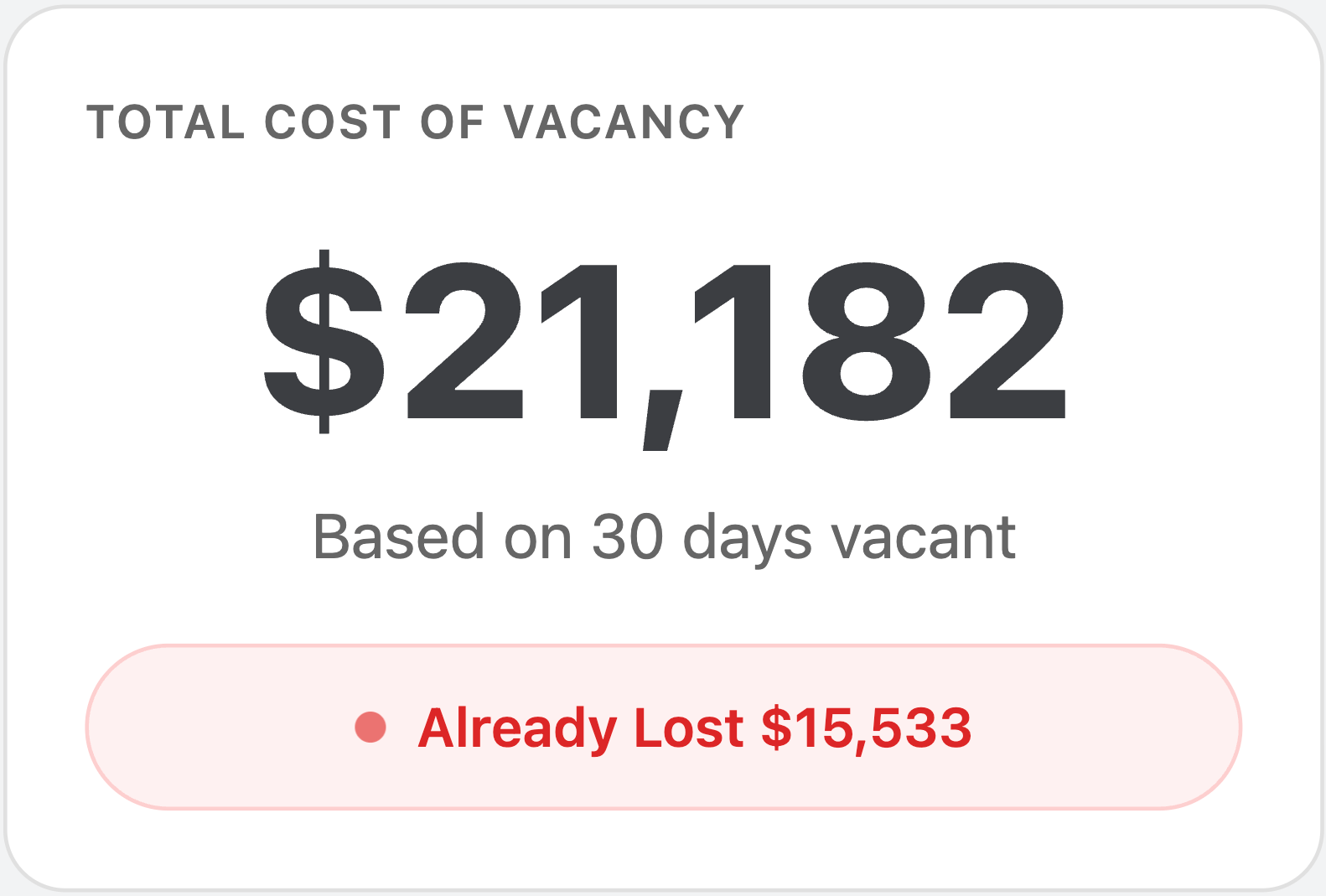
Every day that role stays open costs your company in lost productivity, overtime for the rest of your team, and missed opportunities. If you’re facing a vacancy right now, find out exactly what it’s costing you.
Firing an employee in California is never just a conversation. It’s a legal process with specific deadlines, required documents, and financial consequences for getting it wrong. By following the steps above, preparing thoroughly, and treating the employee with respect throughout, you protect both your company and your reputation as an employer. And when you’re ready to move forward and fill that open role, Amtec is here to help.
This article is for informational purposes only and does not constitute legal advice. Employment laws change frequently, and specific situations may involve additional requirements. Consult a qualified employment attorney for guidance on your particular circumstances.
Our Services
Industries We Serve
Related Posts
View all posts-
EmployersCareer Seekers
The State of the U.S. Aerospace & Defense Workforce (2026 Benchmark Report)
U.S. aerospace and defense workforce statistics from BLS, AIA, McKinsey, PwC, and Deloitte, with employment and labor trend insights for 2026.
-
Career Seekers
8 Professional Development Goals Every Job Seeker Needs
Professional development goals that make you more hireable. 8 goals job seekers can start today.
-
Career Seekers
12 Informational Interview Questions You Should Ask
Informational interview questions worth asking, what to listen for, and how to turn 30 minutes into a real professional connection.